At A Glance: Operation Snowbound (1949)
- Event: The Blizzard of 1948-1949
- Affected Area: Nebraska, Wyoming, the Dakotas
- Task Force: USACE, Fifth Army, 10th Air Force
- Resources: 6,200 personnel, 1,665 heavy equipment pieces
- Impact: 115,000 miles of road cleared; 3.5M livestock fed
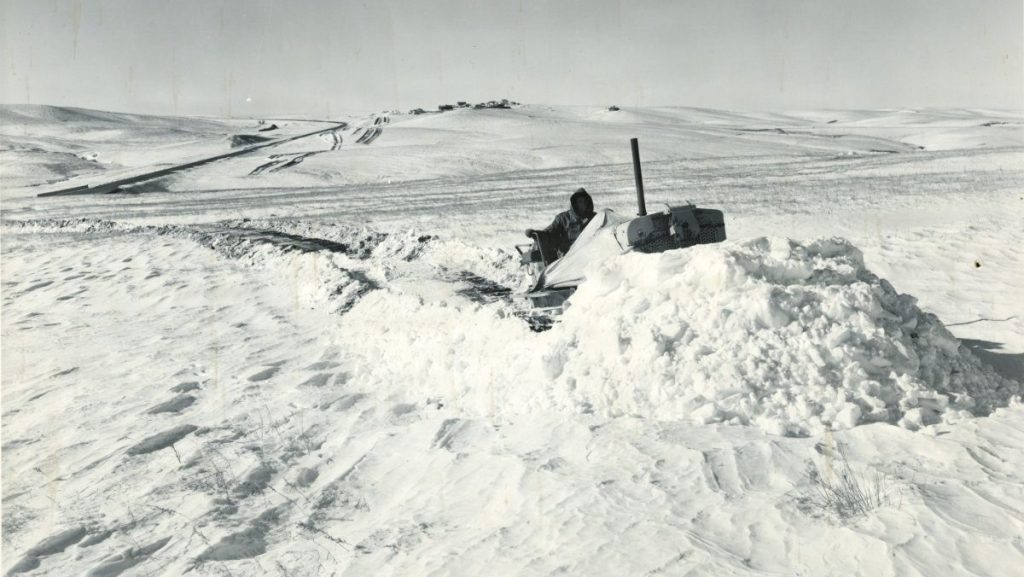
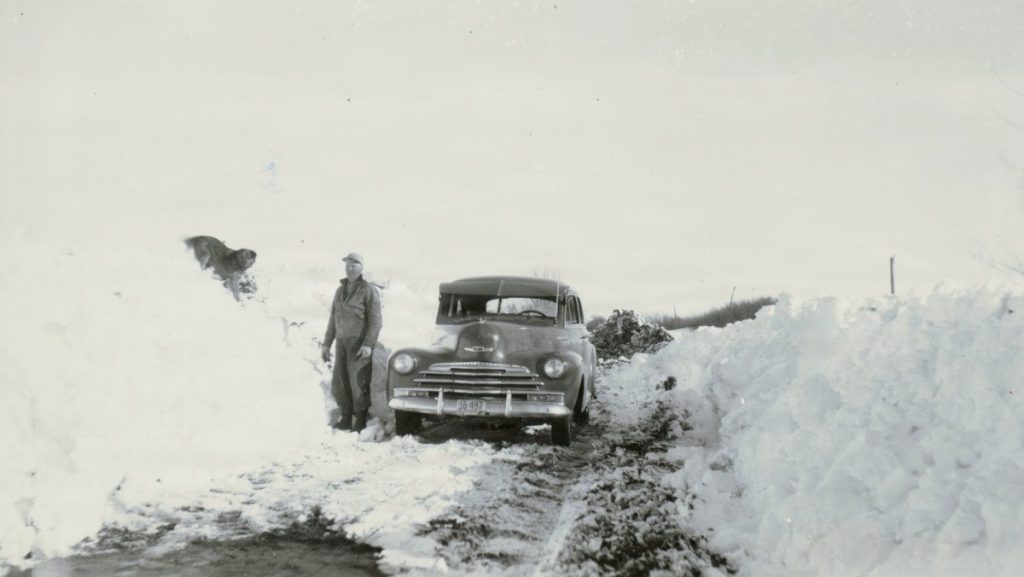
The winter of 1948-49 brought a series of powerful storms that blanketed much of Nebraska, Wyoming and the Dakotas with heavy snow, extreme cold and blinding winds. Snowdrifts reached as high as 30 feet in places, isolating towns, ranches and farms. Millions of livestock were at risk of being lost to starvation and dangerously cold temperatures.
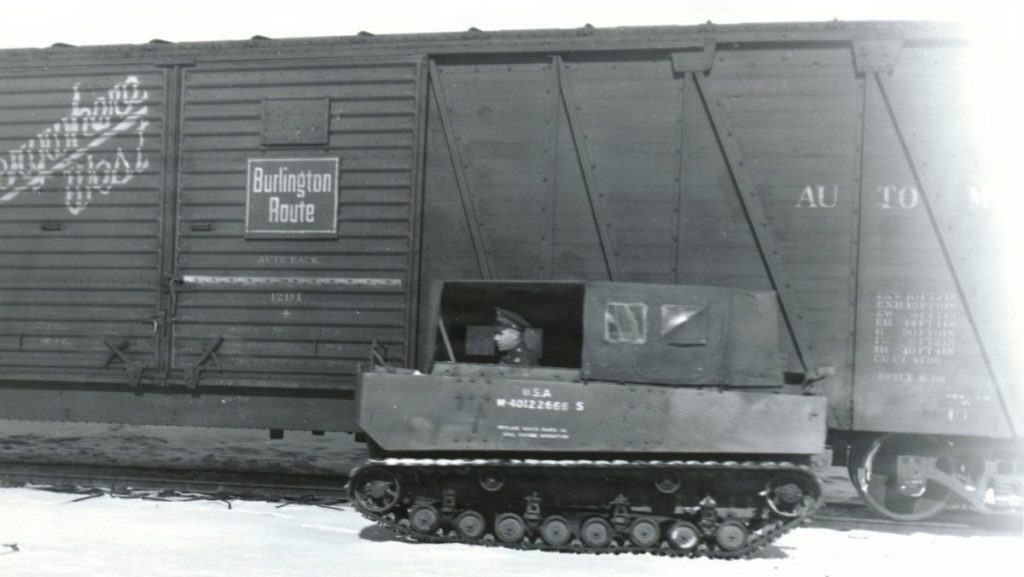
The U.S. Army Corps of Engineers, alongside the Fifth Army and 10th Air Force, led a massive disaster response known as Operation Snowbound, mobilizing more than 6,200 personnel and 1,665 pieces of heavy equipment, including bulldozers, snowplows, graders and Army M-29 cargo carriers, known as Weasels.
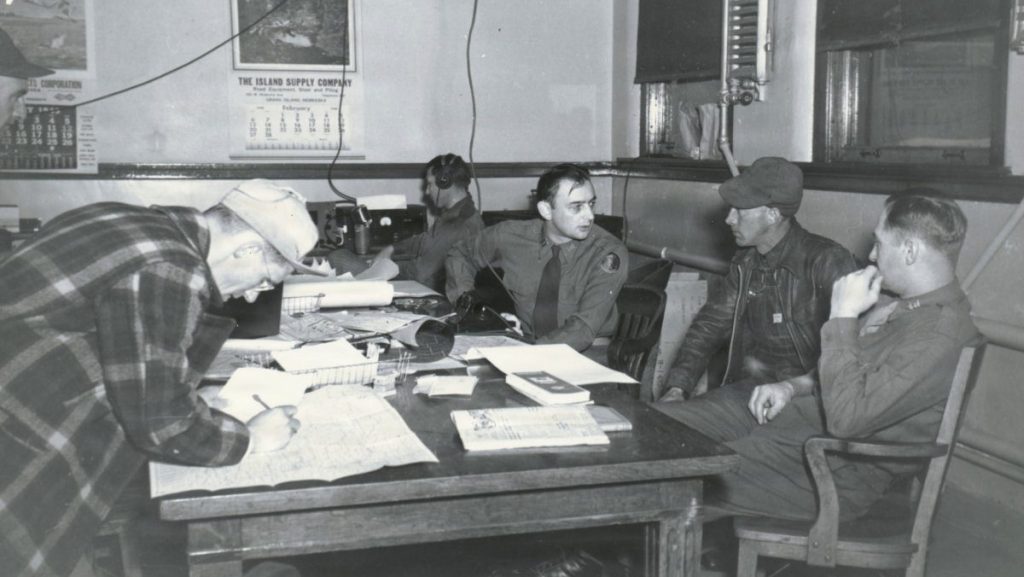
Maj. Gen. Lewis Pick, USACE Missouri River Division commander, coordinated the effort using a decentralized network of offices and staff from the Omaha District. District staff, contractors, and Army and Air Force personnel helped clear snow from more than 115,000 miles of roads, restored access to nearly 244,000 people, and delivered food and hay to more than 3.5 million livestock.
A Farm Family’s Survival
Omaha resident and Army veteran Larry Rudolph shared his experience as a young child on a farm near Albion, Nebraska.
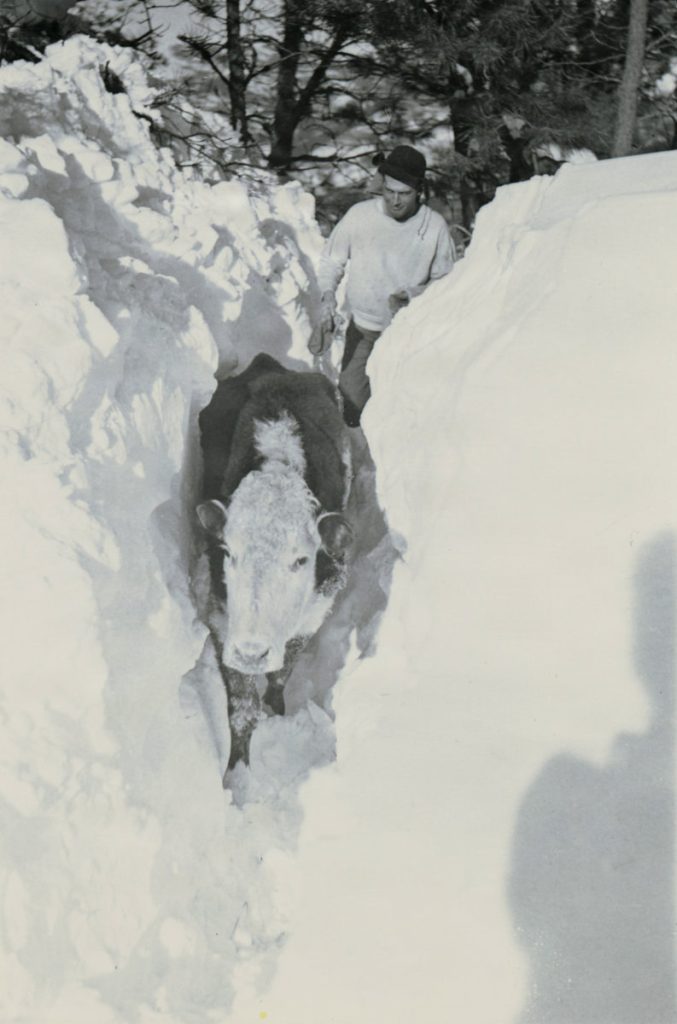
“The biggest impact of the storm on our farm was caring for the livestock with feed, water and shelter,” he recalled. “It seemed that there was nothing but cold, wind and snow nearly every day for several weeks. Dad would shovel snow away from the outbuildings just to keep cattle off the roofs and from eating the wood shingles.”
Rudolph remembered when his father began to run low on hay in mid-February.
“I have no idea how he was able to make contact with anyone, but one evening a huge Army bulldozer showed up and cleared a path to our hayfield, about a mile away, so Dad could take the horse-drawn hay wagon and get hay from the haystacks,” he said. “The operator stayed with us for the night. The next morning, all you could see of the path were the small ridges of snow on each side because the snow and wind had filled it in. The work had to be repeated.”
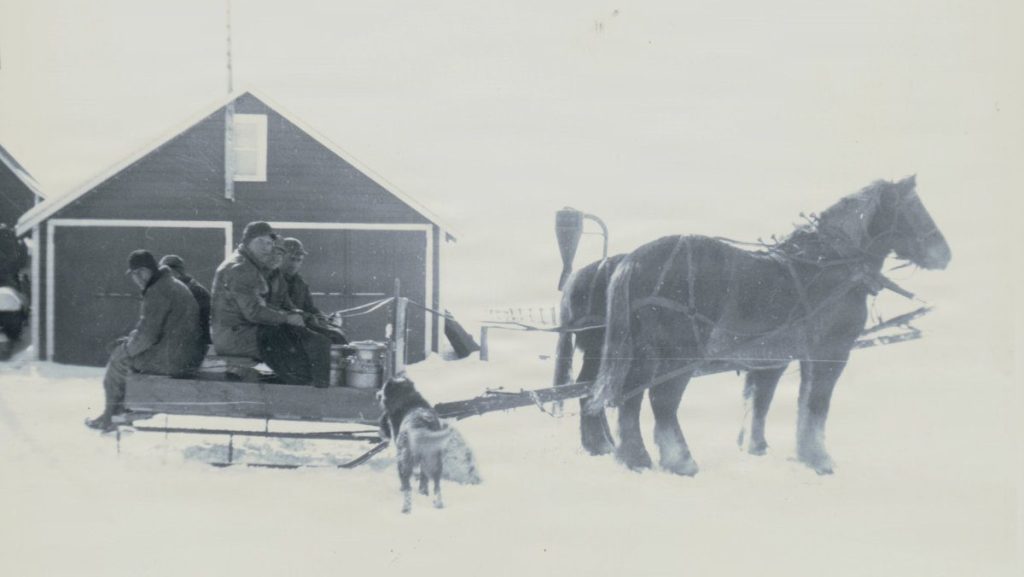
Some families were isolated for up to nine weeks, making do with whatever food they had in reserves. Food and supplies were delivered by Army Weasel tracked vehicles or by air whenever there was a break in the weather.
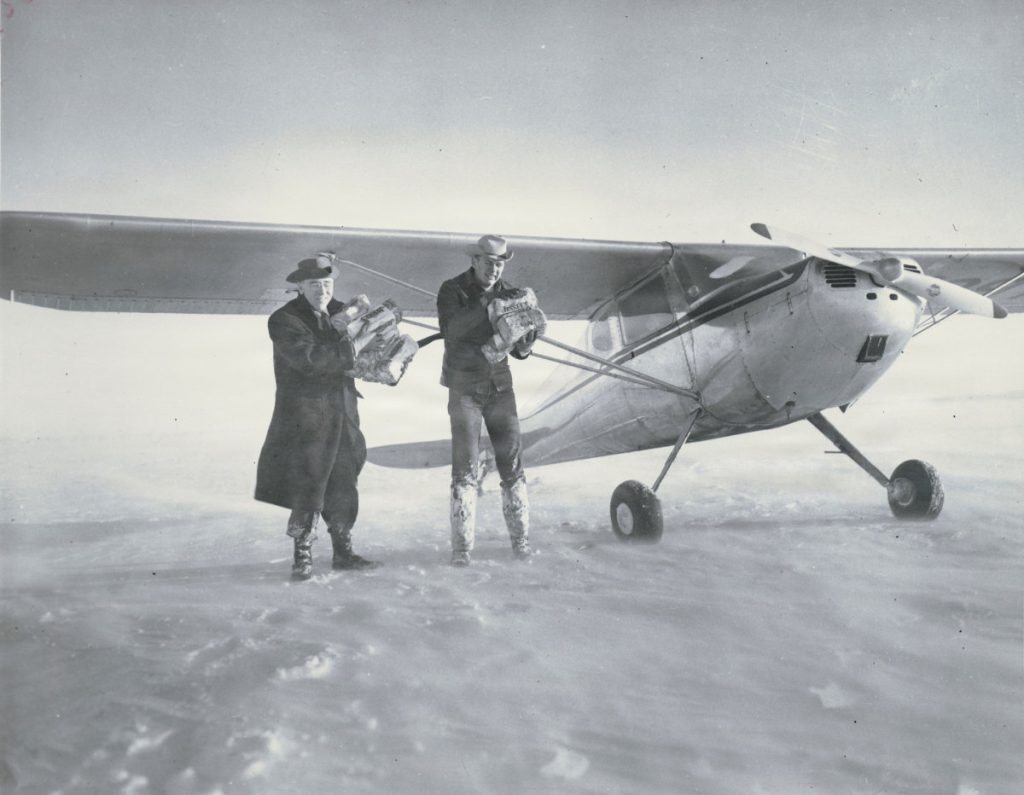
“One day, when the sun was shining and the wind was calmer, a small airplane circled the farm and dropped a small red cloth,” Rudolph said. “We watched the plane with skis land on our pasture. The pilot opened a door, kicked out a large gunny sack, and took off. We got a sled and retrieved the sack, which contained sugar, flour, coffee and other food we happened to be running short of. We had a storm cave full of jars of meat, and vegetables from our large garden but no way to get to town for other staples.”
A Historic First for USACE
Operations in Wyoming, Nebraska and South Dakota largely ended by late February. Operation Snowbound officially ended March 15, 1949, with the conclusion of cleanup in North Dakota. Six civilians and one soldier lost their lives during the mission, and many others suffered frostbite and snow blindness.
The operation was considered the first snow removal emergency handled by the U.S. Army Corps of Engineers and the first time Army commendation ribbons were awarded for a disaster relief mission. It demonstrated the Army’s ability to conduct large-scale disaster response operations in addition to combat missions and helped shape future emergency response efforts.
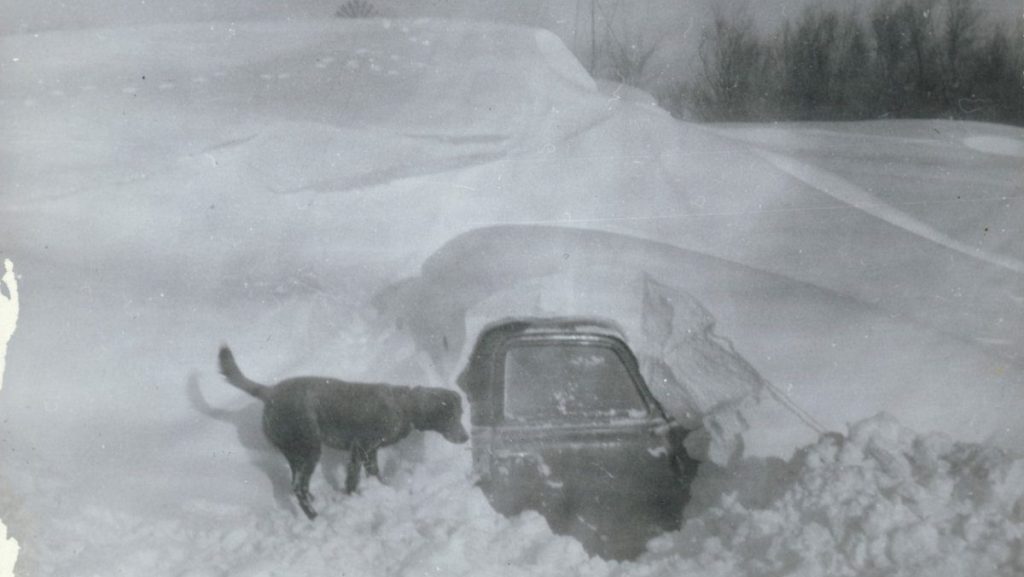
Looking back, Rudolph reflected on the magnitude of the storm and the help they had received.
“As I got older, l began to realize how difficult the storm was for my dad and family,” he said. “Knowing the huge loss of livestock, I realized how important the Army and Air Force were in saving our lives and many thousands of livestock.”
Frequently Asked Questions: Blizzard of 1949
How deep was the snow during the Blizzard of 1949?
While snowfall totals varied, the extreme, blinding winds caused massive snowdrifts that reached as high as 30 feet in certain areas of the Midwest, completely burying houses and outbuildings.
Why did the Army intervene?
The scale of the disaster was too large for local municipalities to handle. The isolation of over 200,000 people and the imminent starvation of millions of livestock prompted the federal government to mobilize military assets for humanitarian relief.
What legacy did Operation Snowbound leave for USACE?
It was the first snow removal emergency handled by the U.S. Army Corps of Engineers and proved that the military could effectively pivot from combat operations to large-scale domestic disaster response, shaping how USACE handles natural disasters today.